Dry Van vs. Refrigerated vs. Flatbed Trailers
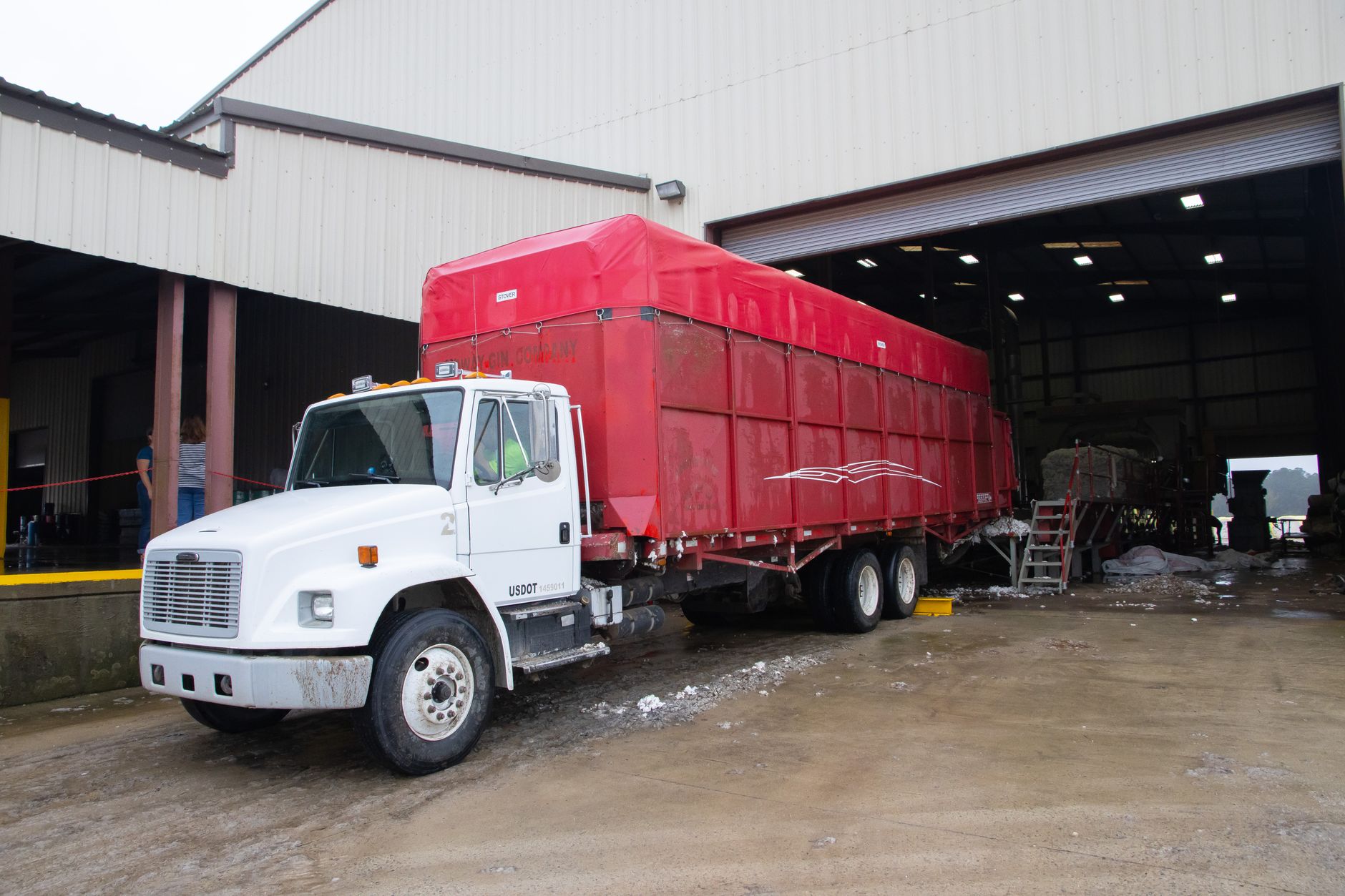
Quick answer: Choose dry van for palletized or boxed freight that doesn't need temperature control, refrigerated (reefer) for anything perishable like produce, dairy, or frozen goods, and flatbed for oversized, irregular, or heavy equipment that has to load from the top or sides. The wrong choice doesn't just cost more — it can mean damaged product, failed pickups, or freight that simply won't fit. Most general merchandise, packaged goods, and retail freight moves in a dry van, which is why it's the most common trailer type on the road today.
Key takeaways
- Dry van trailers typically max out around 45,000 lbs payload and hold roughly 26 standard pallets, according to industry-standard 53' trailer specs.
- Reefer trailers can hold setpoints from about -20°F to 70°F, and continuous monitoring is required for many food and pharma loads under FDA and USDA guidance.
- Flatbed freight almost always costs more to move than dry van or reefer because it requires tarping, strapping, and specialized loading equipment.
- Freight type, not price alone, should drive the decision — the cheapest trailer for the wrong cargo usually ends up the most expensive mistake.
What's the Real Difference Between These Three Trailer Types?
The core difference is exposure: dry van fully encloses freight, reefer encloses it *and* controls the temperature inside, and flatbed has no walls or roof at all. That single difference determines what each trailer can safely carry.
A dry van is an enclosed box trailer, typically 53 feet long, that protects freight from weather and road debris. It's the standard choice for boxed, palletized, or floor-loaded goods — everything from paper products to electronics to packaged food that doesn't need cooling. We covered the mechanics of this trailer type in more depth in Dry Van Trucking Explained.
A reefer (refrigerated trailer) is also fully enclosed, but it has a mounted refrigeration unit that holds a set temperature from pickup to delivery. It's built for anything that spoils, melts, or degrades outside a specific range — produce, dairy, frozen goods, some pharmaceuticals, and floral products.
A flatbed is an open trailer with no sides or roof — just a flat deck. Freight is loaded from above or the side with a forklift or crane, then secured with straps, chains, or tarps. It's the go-to for building materials, machinery, steel, pipe, and anything too large or oddly shaped to fit through a van's rear doors.
Dry Van vs. Reefer vs. Flatbed: Side-by-Side Comparison
| Trailer Type | Best For | Relative Cost | Weather Protection | Loading Requirements |
|---|---|---|---|---|
| Dry Van | Palletized/boxed general freight, retail goods, non-perishable food | Lowest | Full enclosure | Dock-height loading dock or forklift; live load or drop trailer |
| Refrigerated | Produce, dairy, frozen goods, temperature-sensitive pharma | Mid-to-high | Full enclosure plus climate control | Dock loading; pre-cool required before freight loads |
| Flatbed | Building materials, machinery, steel, oversized/irregular loads | Highest | None — exposed to weather | Overhead crane or forklift; tarping and strapping required |
Who each one actually suits:
- Dry van is the right call if your freight is boxed, palletized, or shrink-wrapped and doesn't care about temperature. It's the most widely available equipment type, which usually means faster coverage and more competitive rates. If you're shipping retail goods, packaged consumer products, or general manufacturing freight, this is almost always your answer.
- Refrigerated is non-negotiable if your product spoils, melts, or loses potency outside a set temperature band. Don't try to save money by shipping borderline-perishable freight in a dry van "just this once" — a single failed reefer load can cost more in rejected product than a year of paying the reefer premium would have. If you move produce, dairy, frozen goods, or anything under FDA food safety or USDA cold-chain guidance, this is the only defensible option.
- Flatbed is the right fit when your freight physically can't go through a van's rear doors — think steel coils, lumber, pipe, construction equipment, or anything requiring crane loading. It costs more because it takes more labor and equipment to secure the load safely, but there's often no dry van alternative once freight exceeds standard dimensions.
Don't skip this: If your product needs the same temperature range every single shipment, treat it as reefer-only freight — don't mix dry van and reefer for the same SKU based on price. Inconsistent handling is one of the fastest ways to fail a customer quality audit or trigger a rejected load.
When Does Freight Actually Need a Reefer Instead of a Dry Van?
Freight needs a reefer whenever quality, safety, or shelf life depends on temperature — not just when the product is technically food. Fresh produce, dairy, meat, and frozen goods are the obvious cases, but reefers also move flowers, certain pharmaceuticals, film, and some chemicals with heat sensitivity.
A useful test: ask whether the product would visibly change — melt, wilt, spoil, or separate — if it sat in an un-air-conditioned trailer for six hours in July. If the answer is yes, it needs a reefer, full stop.
Reefer trailers run in two modes:
- Continuous mode keeps the refrigeration unit running the entire trip, holding a tight temperature band — the standard for most perishable food.
- Cycle-sentry mode lets the unit shut off once it hits setpoint and restart only when needed, which saves fuel but allows slightly more temperature drift — more common for less sensitive frozen freight.
One detail shippers often miss: the trailer needs to be pre-cooled to setpoint *before* freight loads, not after the doors close. Loading warm product into a warm trailer and expecting the reefer unit to catch up in transit is a common cause of temperature excursions and rejected loads at the receiving dock. PST Logistics pre-cools every reefer trailer and logs temperature end-to-end from pickup to delivery, so there's a documented record if a receiver ever questions the cold chain.
When Does Flatbed Make More Sense Than an Enclosed Trailer?
Flatbed makes sense the moment freight is too long, too wide, too tall, or too heavy in the wrong places to load through a standard van's rear doors. Classic flatbed freight includes structural steel, lumber, pipe, coiled material, precast concrete, and heavy equipment like tractors or generators.
It also makes sense when the loading method itself demands it — freight that has to be lifted in from above by a crane or forklift simply can't go into an enclosed box. Flatbed's biggest tradeoff is weather exposure: freight riding on an open deck needs tarps if it can't get wet or dirty, and tarping large loads takes real time and labor at both ends.
Flatbed generally costs more per mile than dry van for three reasons:
- Loading and securing freight takes longer and requires specialized equipment.
- Drivers need additional skills and certifications for chains, straps, and tarps.
- Fewer carriers run flatbed compared to dry van, which tightens capacity on that equipment type.
If your freight can be reasonably boxed or palletized to fit a dry van instead, it will almost always move cheaper and with less handling risk. Flatbed should be the choice freight forces on you, not the default.
What Happens When You Choose the Wrong Trailer Type?
The most common result is a failed pickup — the driver shows up, the freight doesn't fit the equipment, and the load gets rebooked at a cost and delay to the shipper. This happens more often than shippers expect, usually because equipment was booked based on price rather than the freight's actual dimensions or handling needs.
Beyond the failed pickup, mismatched equipment creates downstream problems:
- Damaged product — perishable freight in a dry van, or fragile freight loaded flatbed-style without proper padding, arrives unsellable.
- Rejected loads at the dock — many receivers now require temperature logs for reefer freight; showing up without documentation can mean a refused delivery.
- Wasted accessorial fees — detention charges, re-delivery fees, and rebooking costs stack up fast when equipment has to be swapped mid-process.
- Compliance exposure — food and pharma freight moved outside required temperature ranges can violate FDA or USDA cold-chain rules, which creates liability beyond just the cost of the load.
The fix is simple but requires discipline: confirm trailer type against actual freight specs — weight, dimensions, temperature sensitivity, and loading method — before booking, not after the truck arrives.
A Quick Pre-Booking Checklist
Before you call a carrier or broker, run through this:
- Confirm the freight's exact weight and whether it's within standard dry van payload limits (roughly 45,000 lbs on a 53' trailer).
- Check whether the product needs a specific temperature range, and if so, get that range in writing for the carrier.
- Measure freight dimensions against standard trailer door openings if it's going in an enclosed van.
- Identify the loading method required — dock, forklift, or overhead crane — since that often decides the trailer type by itself.
- Ask whether the receiver requires temperature logs, tarping, or other documentation on delivery.
- Get a same-day insurance certificate request in early if the receiver's dock requires proof of coverage before unloading.
This same up-front vetting matters just as much when you're deciding who moves the freight, not just what it moves in — we go through that process in How to Choose a Trucking Company in Naperville, IL.
If you're not sure which equipment type your freight needs, that's a normal question — not a sign you're behind. PST Logistics, based in Naperville and running dry van and temperature-controlled truckload freight across all 48 states, keeps a 24/7 dispatch line answering the phone specifically to help shippers sort this out before a truck ever gets booked. Call PST Logistics to talk through your lane and get a same-day quote for the right equipment.